What Was
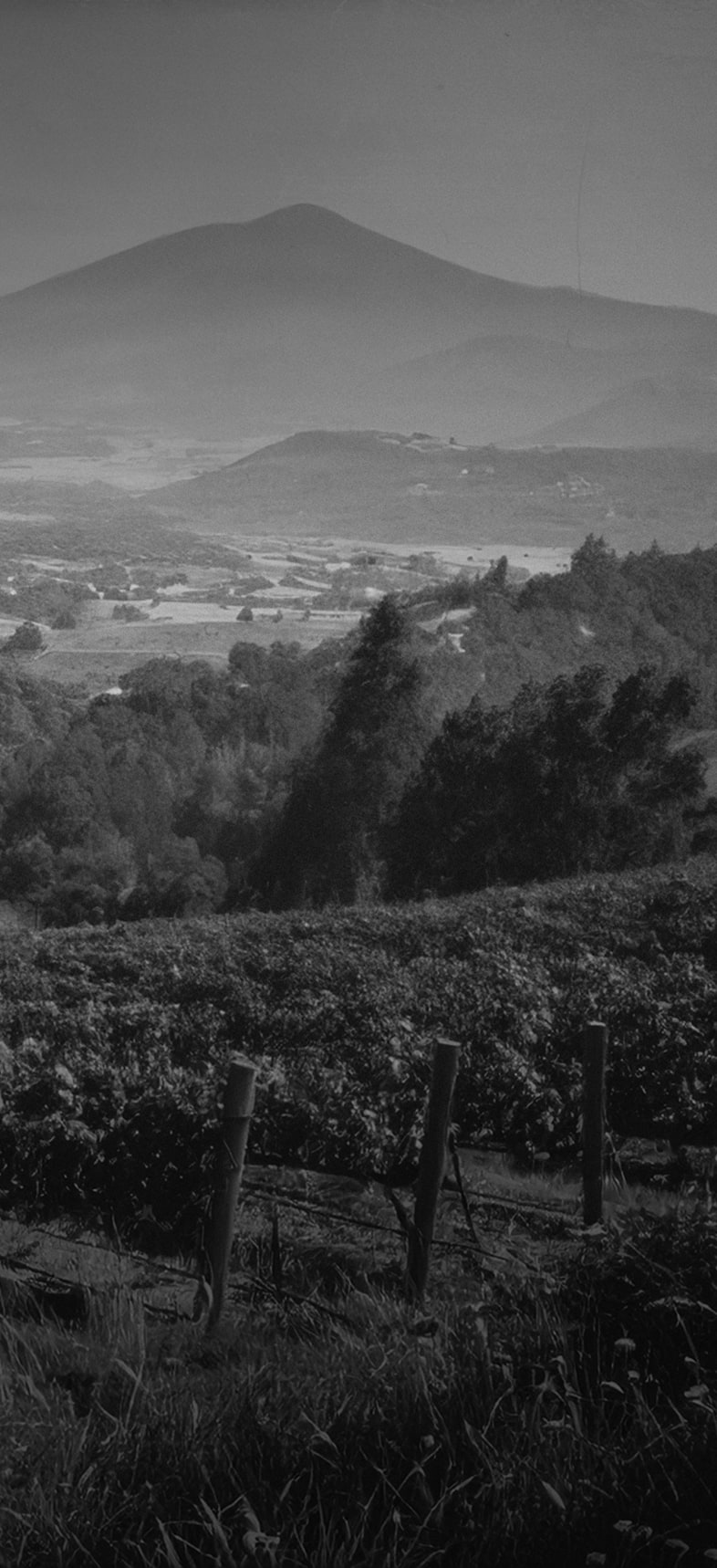
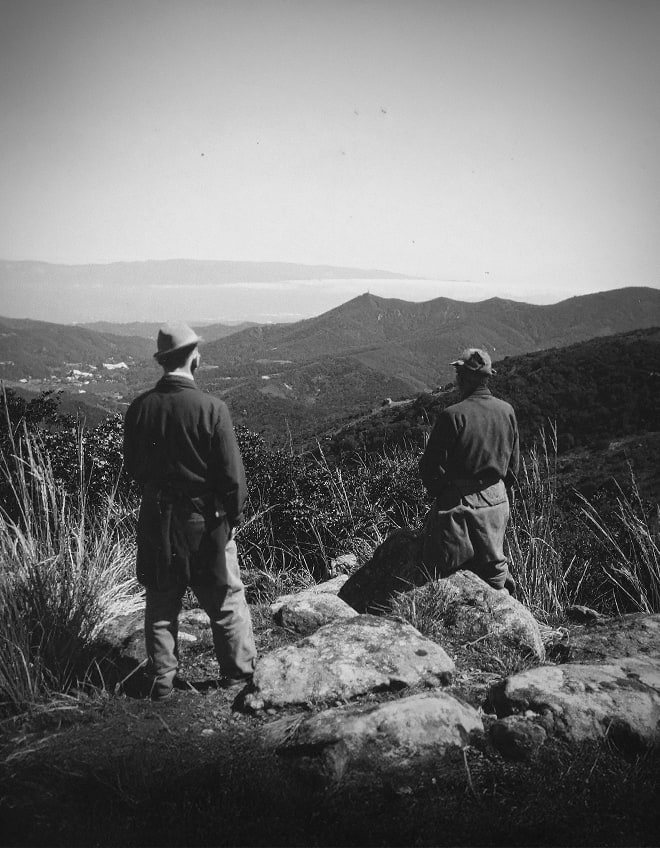
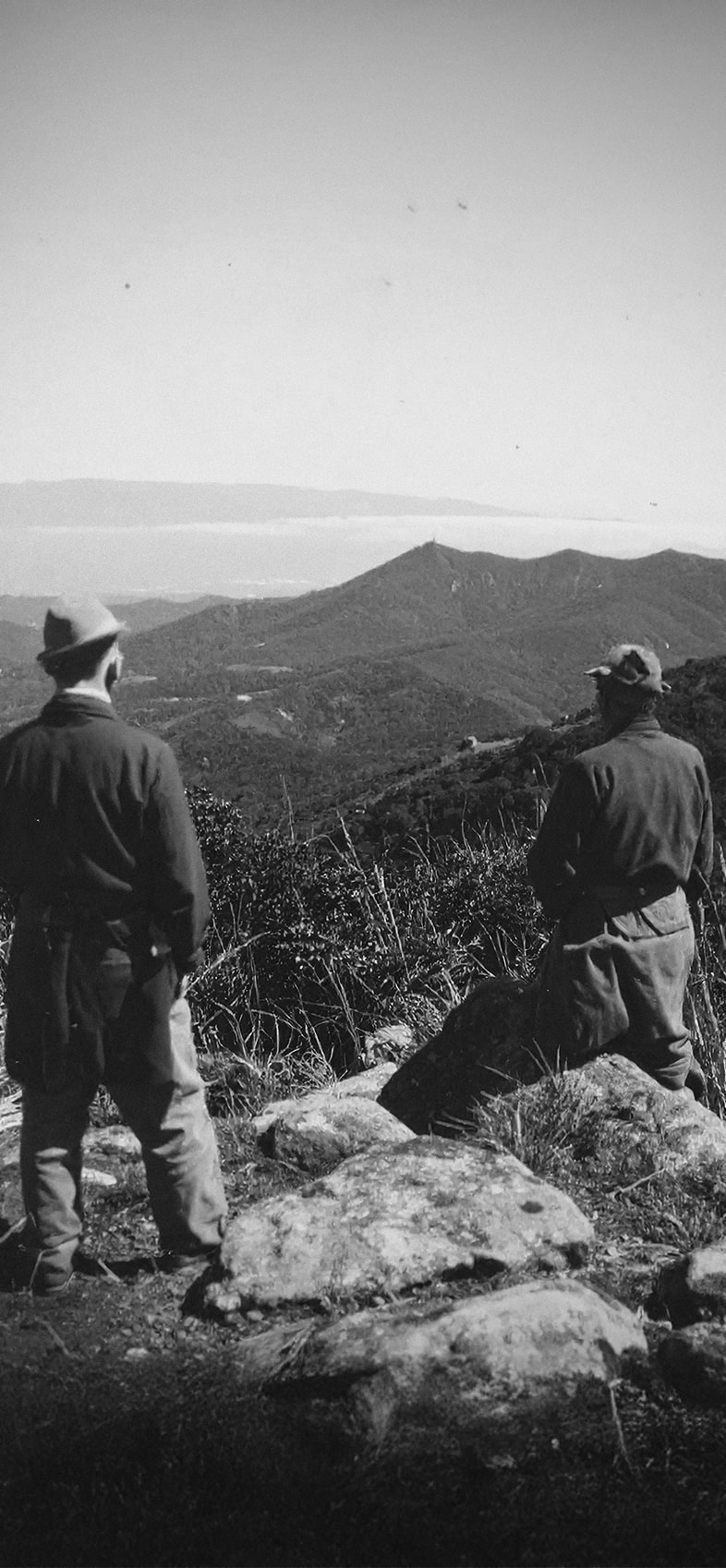
Benjamin Dreyfus of the Los Angeles Vineyard Society and San Francisco grocer Emmanuel Goldstein, both German immigrants, acquired the property in 1880. They called it Mount Pisgah, after the mountain where Moses glimpsed the Promised Land—paying homage to the awe they felt upon its impressive slopes.
After Dreyfus passed in 1886, Goldstein renamed it Goldstein Ranch. Through the early part of the 20th Century, the vineyard built a reputation for long-lived, fresh wines based on the remarkable acidity of its grapes. Louis M. Martini, long an admirer of the vineyard’s fruit, felt an undeniable pull to this land and seized the opportunity to acquire it when Goldstein’s heirs decided to sell in 1938, just before harvest. “We bought it on Wednesday, and we picked on Monday,” he said.
What Was
Benjamin Dreyfus of the Los Angeles Vineyard Society and San Francisco grocer Emmanuel Goldstein, both German immigrants, acquired the property in 1880. They called it Mount Pisgah, after the mountain where Moses glimpsed the Promised Land—paying homage to the awe they felt upon its impressive slopes.
After Dreyfus passed in 1886, Goldstein renamed it Goldstein Ranch. Through the early part of the 20th Century, the vineyard built a reputation for long-lived, fresh wines based on the remarkable acidity of its grapes. Louis M. Martini, long an admirer of the vineyard’s fruit, felt an undeniable pull to this land and seized the opportunity to acquire it when Goldstein’s heirs decided to sell in 1938, just before harvest. “We bought it on Wednesday, and we picked on Monday,” he said.
The vineyard was mostly planted to Zinfandel, with some Alicante Bouschet, Grand Noir, Semillon and Palomino. Louis expanded its palette to include Cabernet Sauvignon, Barbera, and Riesling. Louis’s son and grandson, Louis Peter and Mike, made iconic wines from the grapes grown in Monte Rosso for decades after that.
The vineyard was mostly planted to Zinfandel, with some Alicante Bouschet, Grand Noir, Semillon and Palomino. Louis expanded its palette to include Cabernet Sauvignon, Barbera, and Riesling. Louis’s son and grandson, Louis Peter and Mike, made iconic wines from the grapes grown in Monte Rosso for decades after that.
What Is
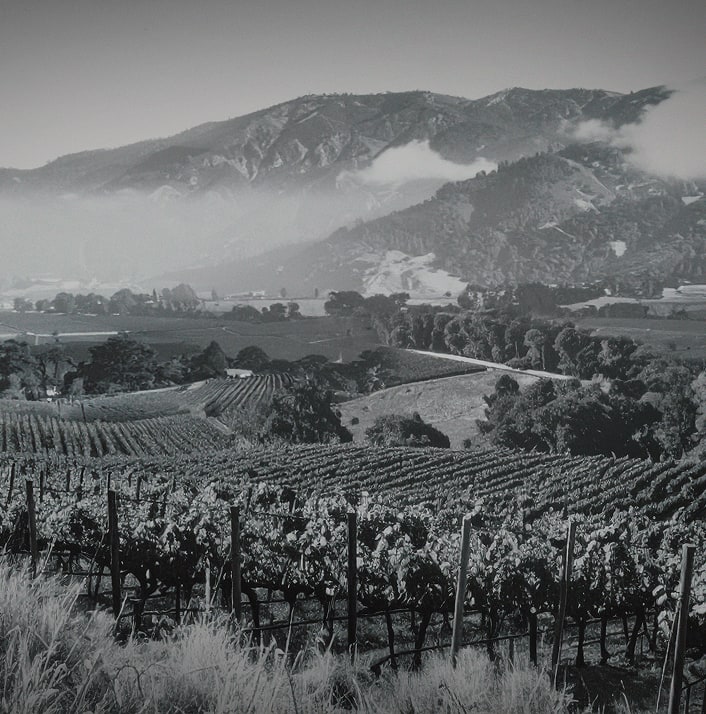
In 2002, the Gallo family acquired the Louis M. Martini winery and with it, the Monte Rosso Vineyard. The Gallos understood well the gift this vineyard represented and vowed to steward it for generations to come.
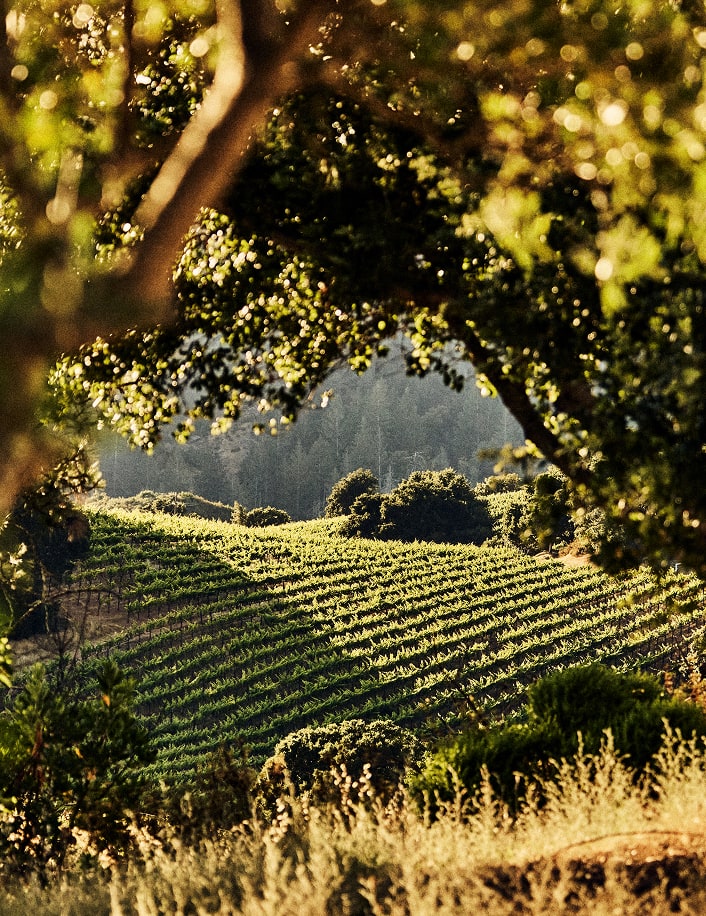
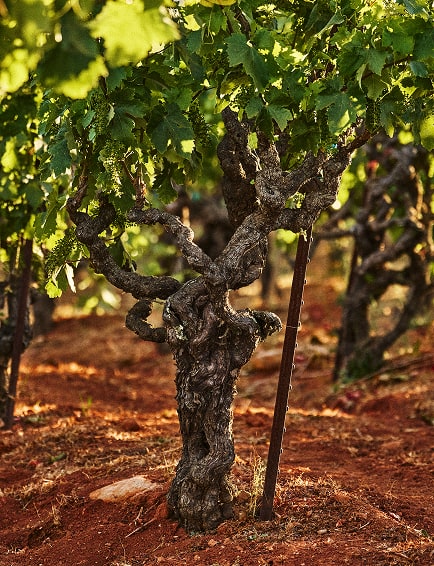
Today, the ancient Zinfandel, Sémillon, and Cabernet Sauvignon vines still stand, gnarled sentinels producing complex, refined expressions of this magnetic terroir.
What is Yet to Come
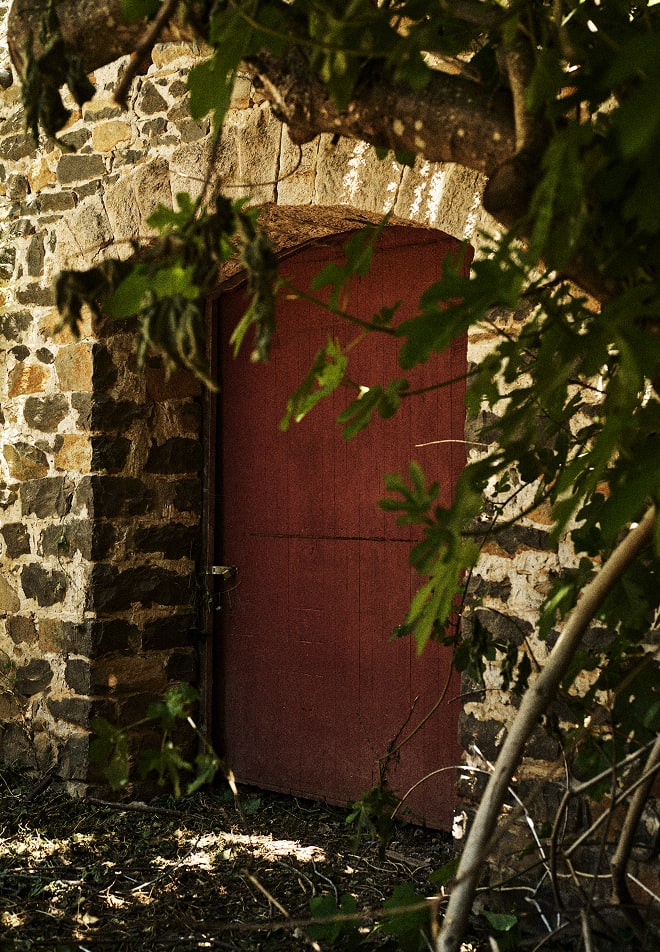
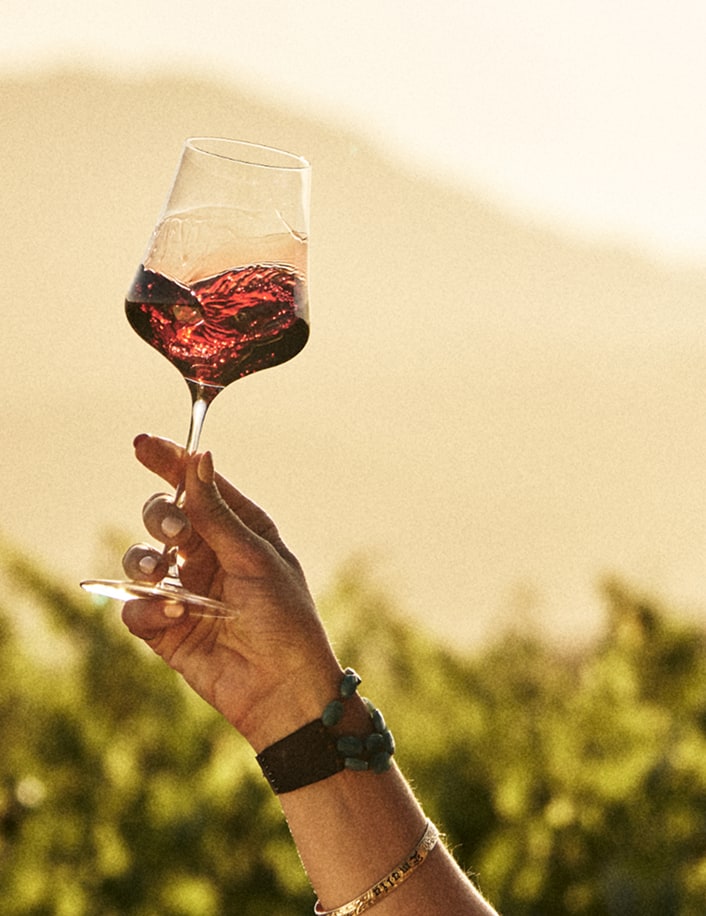
As passionate winemakers and devoted stewards of this great estate, it is our privilege to care for these historic vines. We have intentionally evolved our viticulture methods to care for the land to the highest possible standard, and ensure its longevity for years to come.
Stewardship
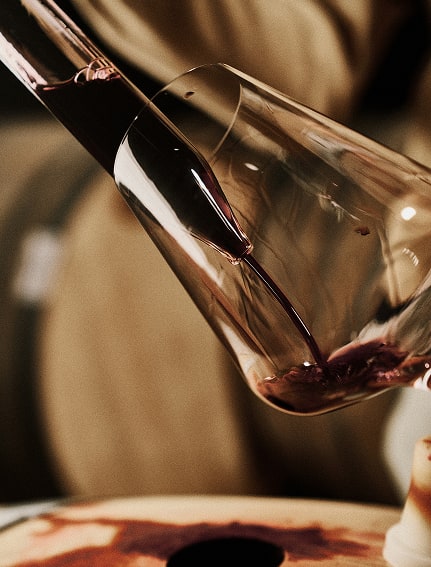
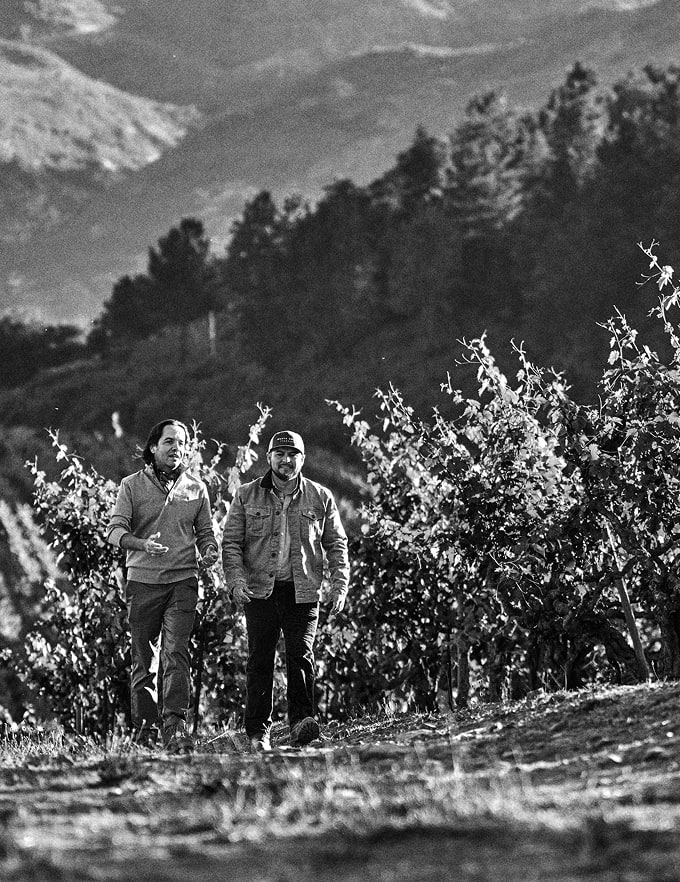
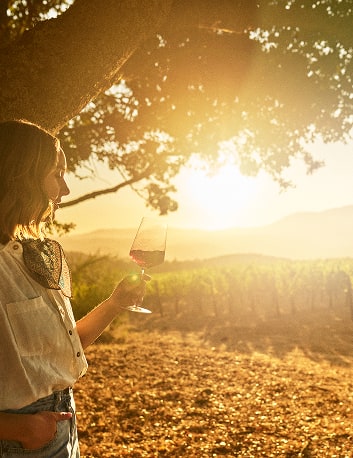
To steward the great Monte Rosso is not just a passion, it is a privilege. Our devoted team bring their whole selves to this estate, united in purpose of making extraordinary wines.
Stewardship
To steward the great Monte Rosso is not just a passion, it is a privilege. Our devoted team bring their whole selves to this estate, united in purpose of making extraordinary wines.
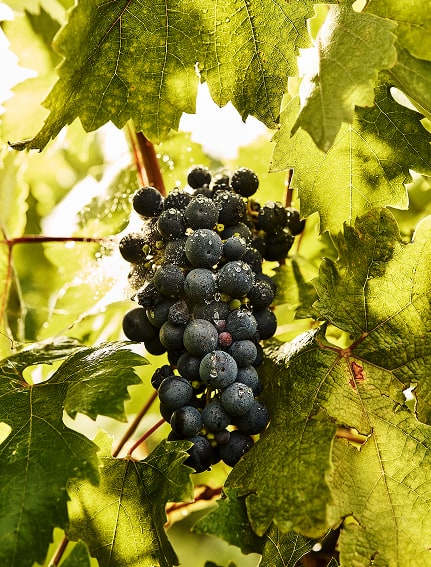
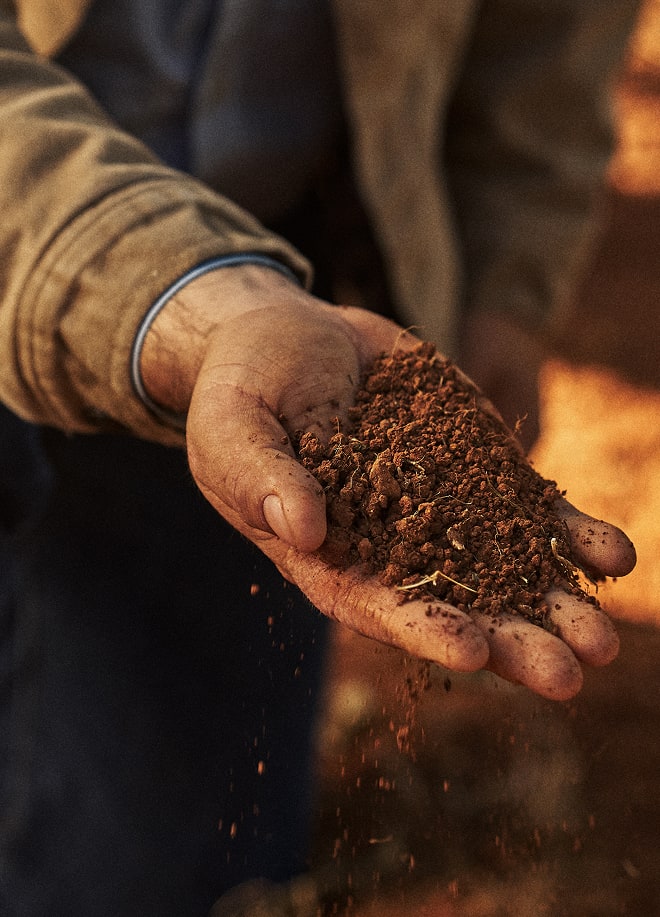
We craft magnetic expressions of the Monte Rosso Vineyard, the crown jewel of the Moon Mountain District. We honor it by practicing organic farming, pruning with intention, nourishing with care, and harvesting with gratitude.
As of 2025, the Monte Rosso Vineyard is certified organic (CCOF).
Monte Rosso Vineyard is farmed sustainably and certified by the California Sustainable Winegrowing Alliance (CSWA).